Traditional Balinese Rice Fields – The Beauty of Bali’s Rural Landscape
- 25 Sep 2026
- Art
Pexels.com
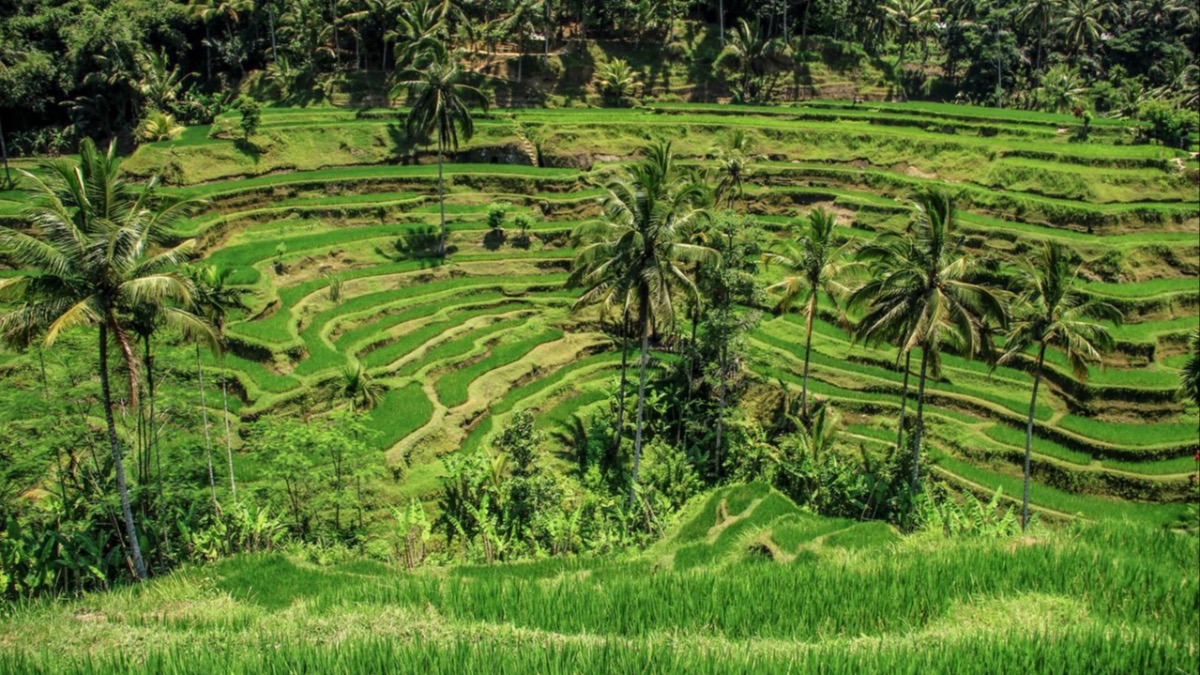
The traditional rice fields of Bali are one of the most beautiful and recognizable parts of the island's landscape. Beyond their natural beauty, the rice fields represent an important part of Balinese culture, agriculture, and everyday life.
For generations, Balinese farmers have cultivated rice using traditional methods that connect the community with the land and water. Walking through the countryside, it is common to see farmers working among the green or golden rice fields, creating a peaceful scene that reflects the traditional way of life in Bali.
The Beauty of Traditional Rice Fields in Bali
Bali's rice fields change their appearance throughout the farming season. Young rice plants create vibrant green landscapes, while mature rice fields gradually turn golden as harvest approaches.
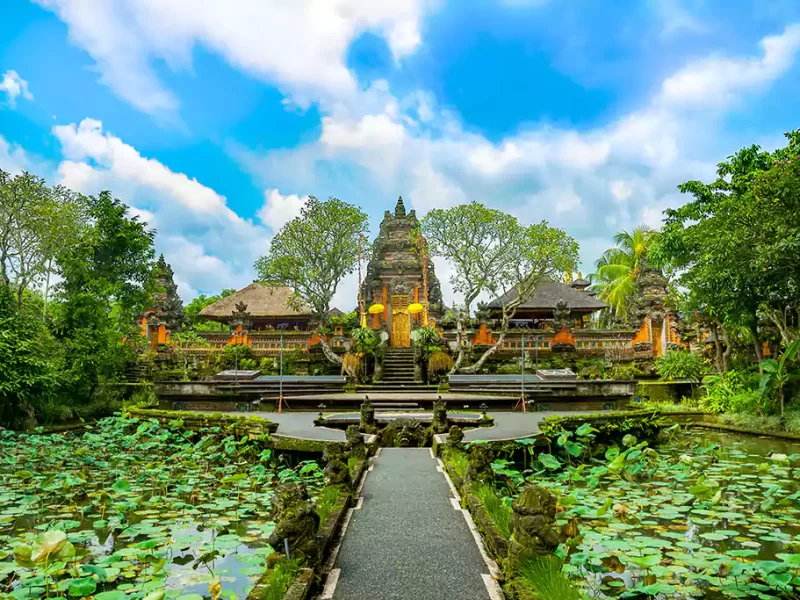
The combination of rice terraces, farmers, coconut trees, traditional villages, and surrounding mountains creates a landscape that has inspired artists for generations.
These rural scenes offer a different perspective of Bali — one that is quieter, more traditional, and closely connected to nature.
Rice Farming and Balinese Village Life
Rice farming has traditionally been an important part of community life in Bali. Farmers work together to cultivate their fields, manage irrigation, and harvest the rice.
The traditional Subak system is an important part of this agricultural culture. It represents a cooperative system through which Balinese farming communities manage irrigation and water distribution for their rice fields.
Because of this close relationship between agriculture and community, the rice field is not simply a place for farming. It is also part of the social and cultural life of the village.
The Traditional Rice Harvest
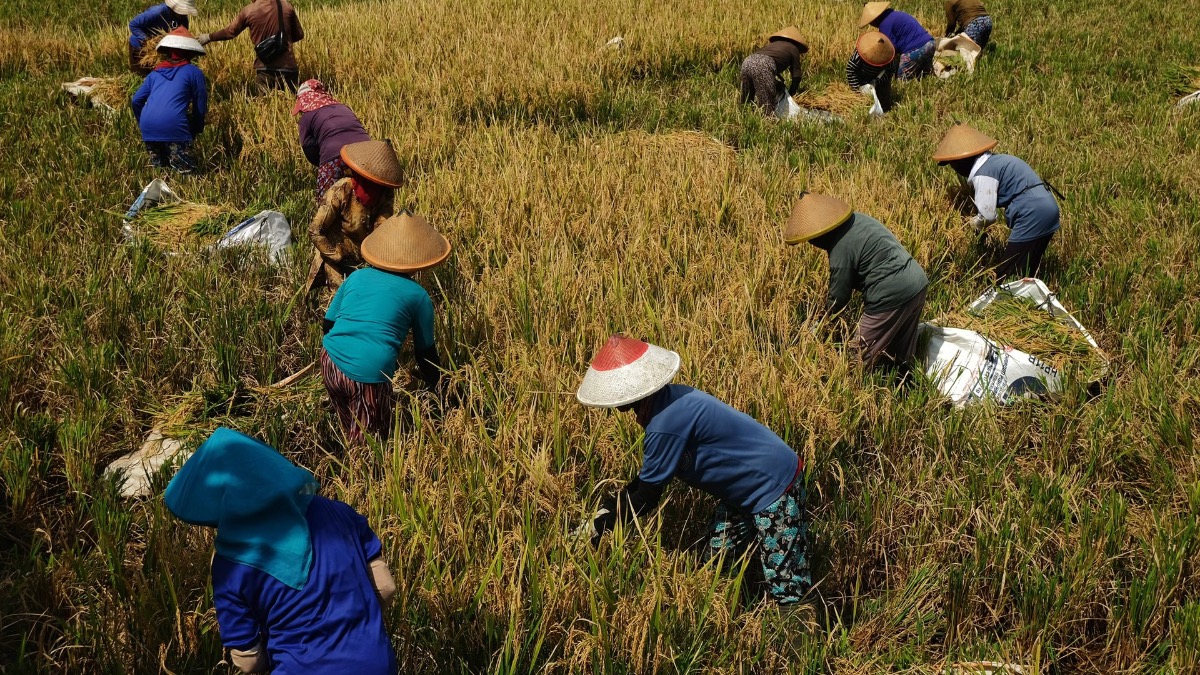
The harvest season brings a special atmosphere to the Balinese countryside. Golden rice fields become filled with farmers gathering and carrying the mature rice.
Traditional rice harvesting is a scene full of movement and human connection. Farmers working together among the fields create a beautiful image of cooperation and rural life.
This traditional activity has also become an inspiring subject for Balinese artists. Through painting, scenes of rice harvesting can be preserved and shared with people who may never have experienced traditional farming life in Bali themselves.
Balinese Rice Field Painting
The beauty of Bali's rice fields has long been represented through art. A Balinese rice field painting can capture not only the landscape, but also the people and traditions that make the countryside unique.
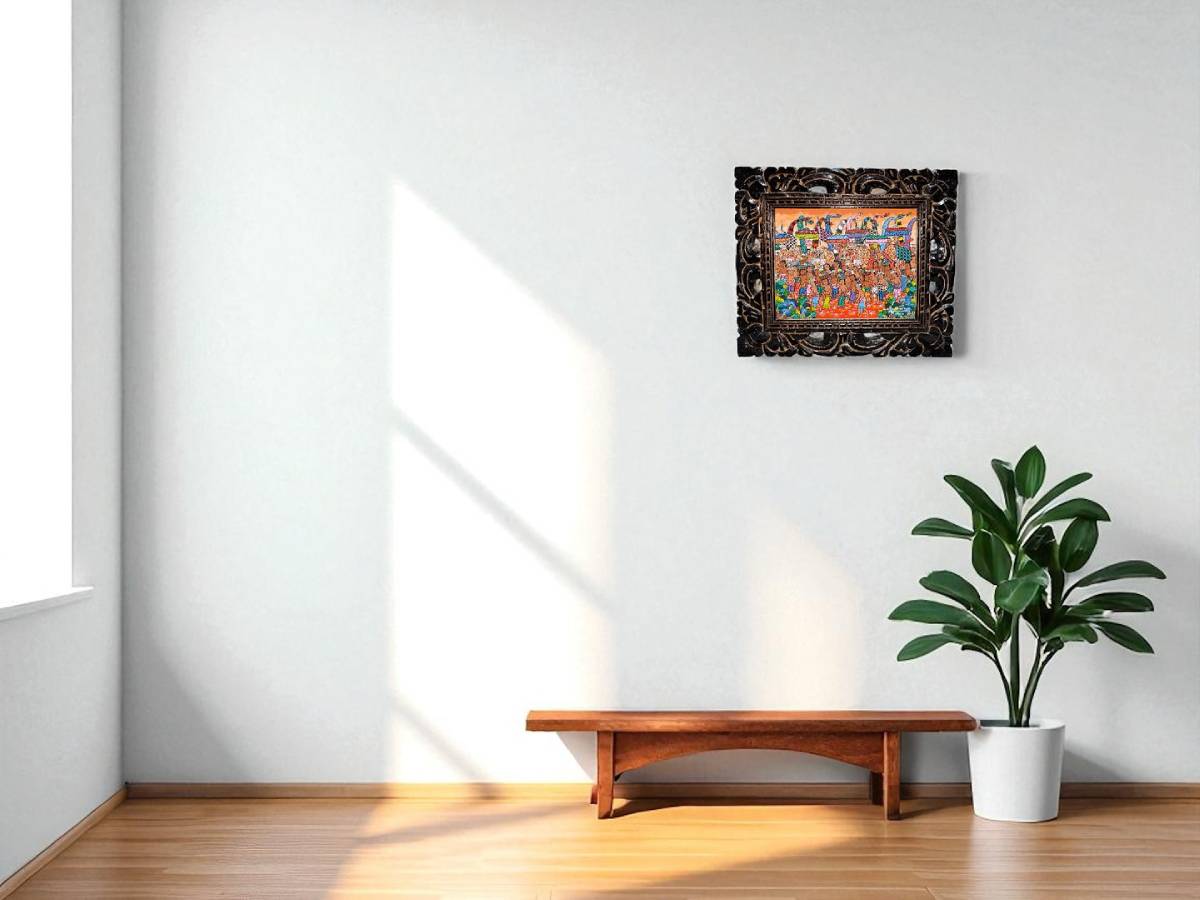
In this painting, the rice fields and harvest scene are presented as a representation of traditional Balinese life. The farmers, mature rice, and peaceful countryside create a visual story about Bali's agricultural heritage.
Rather than simply showing a beautiful landscape, the painting reflects a way of life that has been passed down through generations.
A Connection Between Nature, Culture, and Art
Traditional Balinese art often reflects the close relationship between people, nature, culture, and spirituality.
The rice field is an important example of this relationship. It provides food and livelihood while also becoming part of the visual and cultural identity of the island.
For this reason, paintings depicting traditional rice fields and harvest scenes can be meaningful for collectors who appreciate both art and cultural history.
Bringing the Balinese Countryside Into Your Home
A traditional Balinese rice field painting can bring the peaceful atmosphere of Bali's countryside into a home, villa, hotel, or private collection.
The green and golden fields, traditional farming activities, and quiet rural atmosphere create artwork that is both decorative and connected to the cultural heritage of Bali.
At Okawati Art Shop, we offer authentic paintings inspired by Balinese culture, traditional village life, nature, and the island's artistic heritage.
Each artwork provides its own interpretation of Bali, allowing collectors to bring a piece of the island's traditional character into their own space.
Other Article